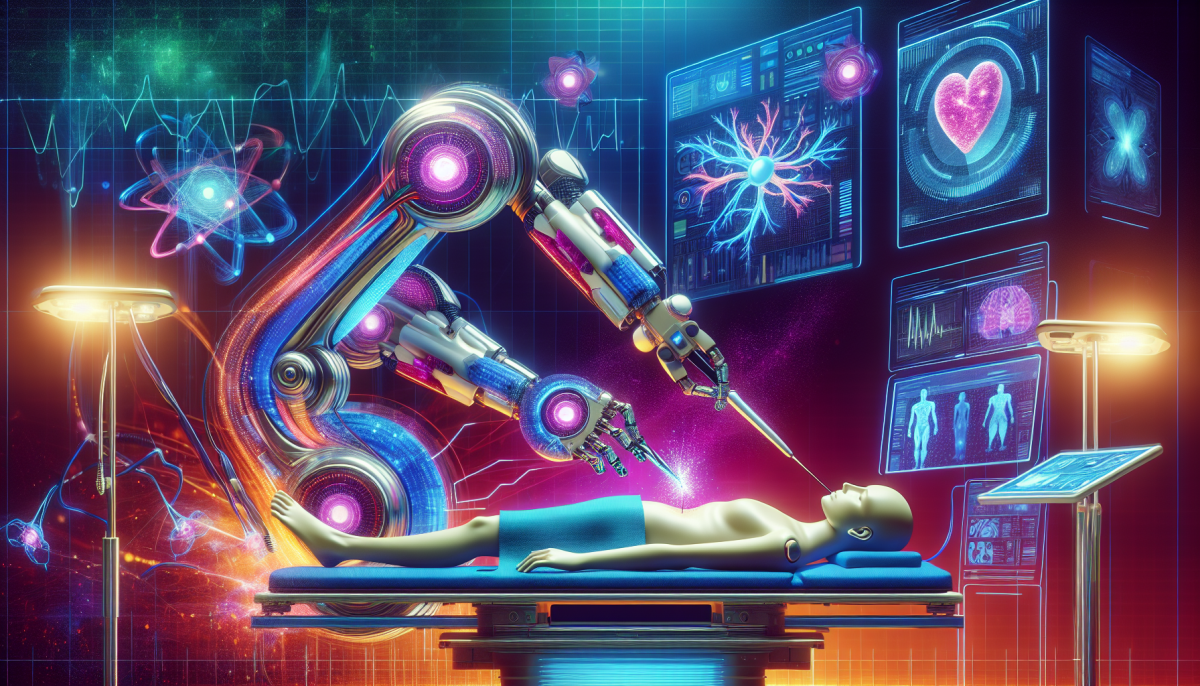
AI tools are really stepping up the game in patient care. They’re making healthcare more efficient, personalized, and even a bit easier for both doctors and patients. Imagine being able to get a diagnosis without waiting weeks for an appointment. That’s exactly what some new AI technologies can do. They analyze patient data quickly, spotting issues that might take a human longer to find.
One major change is in telehealth. With AI chatbots, patients can now get immediate answers to their health questions, anytime and anywhere. No more holding on the phone or waiting for callbacks. These bots can help screen symptoms and recommend next steps based on the information you provide, making it a lot simpler to figure out if you need to see a doctor.
Then there's predictive analytics. This sounds fancy, but it just means AI sifts through mountains of data to predict what might happen to a patient. It helps doctors spot potential health risks before they become serious. This kind of proactive care means treatments start sooner, which is always a win for everyone involved.
AI isn’t just a tool for quick responses; it’s also helping tailor treatments to individual patients. By analyzing your unique health data, AI can suggest personalized treatment plans that have a better chance of success. This means patients aren’t stuck trying out a bunch of different medications or therapies that may not even work for them.
Healthcare professionals are definitely seeing the benefits of AI. It helps reduce burnout by streamlining admin tasks, which means doctors can spend more time focusing on their patients. Who wouldn't want that? With AI tools around, it's clear that patient care is not just changing; it's getting a whole lot better.
Boosting Diagnosis Accuracy with Smart Tech
Smart technology is changing the way doctors diagnose illnesses. It’s like having a super-smart assistant who can help spot things that might slip through the cracks. With tools like AI algorithms, healthcare professionals can analyze data faster and more accurately than ever before. This means they can make better decisions for your health.
Take medical imaging, for example. Instead of just relying on human eyes to read X-rays or MRIs, AI can sift through these images and flag any abnormalities. It helps radiologists focus on what really matters. Plus, AI doesn’t get tired or distracted, so it keeps a consistent quality of work. This leads to earlier detection of conditions like cancer, which can make a huge difference in treatment options.
Another great thing about smart tech? It learns from every case. The more it works with data, the better it gets at spotting what’s important. It’s not just a one-time deal; it evolves. This tech helps doctors stay ahead and adjust their approaches based on new information, which is especially useful for complex cases.
And let’s not forget about telehealth. With smart diagnostic tools, doctors can consult patients remotely, still getting accurate readings. It saves time for both the patient and the doctor, making healthcare more accessible. Smart technology isn’t just about efficiency; it’s about bringing better care to everyone, no matter where they are.
Streamlining Administrative Tasks for Healthcare Pros
Administrative tasks can feel like a mountain of paperwork for healthcare professionals. From scheduling appointments to managing patient records, these tasks often take time away from what really matters—providing care. That’s where AI technology steps in to lighten the load.
Imagine a virtual assistant that can handle scheduling for you. With AI, healthcare pros can automate appointment bookings and reminders, making it easier for patients to get the care they need without the hassle of back-and-forth communication. This saves time and reduces missed appointments. It’s like having an extra pair of hands working tirelessly in the background.
Managing patient records can also be a breeze thanks to AI. Smart systems can quickly sort and retrieve information, so healthcare workers spend less time searching for files and more time focusing on patients. This means better efficiency and, ultimately, better care. AI tools can even flag important updates or reminders, ensuring nothing slips through the cracks.
Even billing and insurance claims don’t have to be stressful. AI can streamline the process by generating invoices and checking claims for accuracy. This reduces the risk of errors, speeds up payments, and lets healthcare staff focus on their core mission of helping people.
In short, AI is a game changer for healthcare pros. It takes care of the nitty-gritty, freeing up time and energy for what really matters—the health and well-being of patients.
Personalized Treatment Plans through Machine Learning
Machine learning is shaking things up in healthcare, especially when it comes to creating personalized treatment plans for patients. Forget the one-size-fits-all approach. Now, doctors can use data-driven insights to tailor treatment options that fit each person's unique situation. That's a game changer.
Imagine going to the doctor and instead of just getting a standard prescription, you have a plan that considers your medical history, genetic background, and lifestyle habits. Machine learning algorithms analyze tons of patient data to find patterns and suggest what might work best for you. This not only increases the chance of success but also helps avoid unnecessary side effects and complications.
These tech-driven treatment plans mean that patients can access more effective therapies according to their specific needs. For example, if you struggle with a chronic condition, machine learning can help identify which medications have worked best for others with similar profiles. That’s the kind of personalized care everyone deserves.
Plus, it's not just about treatments; machine learning helps healthcare providers stay ahead of potential health issues. By predicting health risks based on individual data, doctors can take preventative measures, which is always better than waiting for a problem to appear. With AI, the focus shifts from reacting to health issues to preventing them in the first place.
The combination of machine learning and personalized care could lead to healthier lives and improved outcomes. As this technology continues to improve, we can expect even more exciting developments that put patients first, making healthcare smarter and more accessible for everyone.