Artificial Intelligence, or AI, is all around us these days. It’s not just some techy concept; it's part of our daily lives. Think about your smartphone’s voice assistant that helps you set reminders or answer questions. Or when you’re scrolling through social media, and the algorithm shows you posts that match your interests. That’s AI at work!
So, what’s driving this AI boom? A big factor is data. We’re generating a ton of data every day, from selfies to online shopping habits. This massive amount of information helps AI learn and improve. It’s like feeding a machine tons of examples, so it can understand patterns and make decisions.
Another cool thing about AI is how quickly it’s evolving. Machine learning, a key part of AI, allows machines to learn on their own without being programmed for every single task. This means AI can adapt and get smarter based on new data. For businesses, this opens up all kinds of ways to improve efficiency, reach customers, and drive growth.
Of course, with great power comes great responsibility. As AI becomes more advanced, we have to think about ethics and privacy. How do we ensure that AI is used for good? How do we protect people’s data? These are the questions being discussed as we embrace this exciting technology.
How AI Changes Our Daily Lives
AI has slipped into our everyday routines in some pretty cool ways. Take your smartphone, for instance. With voice assistants like Siri or Google Assistant, you get answers to questions, set reminders, or even control your smart home devices just by talking. It makes life smoother and saves you time. No more fumbling with your phone while you’re trying to cook or drive. Pretty neat, right?
Then there's social media. Ever noticed how your feed seems to show exactly what you want to see? That’s AI at work! It analyzes your likes, shares, and interactions to curate content that keeps you scrolling. It makes catching up with friends easier, but it also shapes what you think and see. It’s a double-edged sword, but it shows how much influence AI has on our social lives.
Shopping has also become way easier, thanks to AI. Online retailers use it to recommend products based on what you've bought before or what others with similar tastes love. You get personalized suggestions that actually fit your needs, making your shopping experience smoother and sometimes even a little more fun.
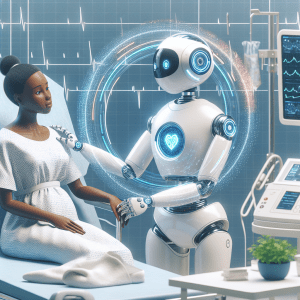
Let’s not forget about healthcare. AI helps doctors diagnose diseases faster and more accurately. Using data and patterns, it can suggest treatments that fit individual patients better. This means patients get care tailored to them, which is a massive step forward in health and wellness.
The Benefits of Embracing AI Technology
Embracing AI technology can totally change the way we live and work. It’s like having a supercharged assistant by your side. Imagine automating repetitive tasks, freeing up your time for what really matters. Instead of drowning in emails or data, you can focus on making important decisions and being creative.
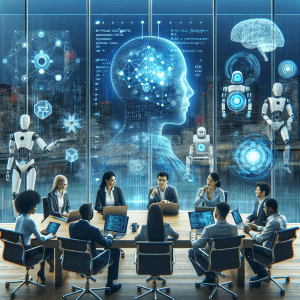
AI helps businesses make smarter choices. With tools that analyze large sets of data, companies uncover patterns and trends they might miss on their own. This means they can fine-tune their strategies, target the right customers, and boost profits. And who wouldn't want to work smarter, not harder?
For everyday life, AI can enhance your convenience. Think of smart home devices that learn your routines and adjust to your preferences. From managing energy use to playing your favorite tunes, it makes life a little smoother and way more fun. Plus, AI-powered apps can help you learn new things, whether it’s a language or a hobby, right from your phone.
Don’t forget about safety! AI systems are excellent at identifying potential dangers. From monitoring your home to improving road safety with smarter traffic systems, it’s all about keeping us safer. With AI on our side, the future looks a lot brighter and more secure.
Challenges and Concerns with AI Growth
As AI technology grows, it brings up some real challenges and concerns that we can't ignore. One big worry is job displacement. Machines are getting better at tasks humans have done for years. This might lead to some people losing their jobs, leading to economic struggles for many.
Another concern is privacy. AI systems often rely on massive amounts of data. This raises questions about how our personal information is being used and protected. Are we giving up too much of our privacy in exchange for convenience? It’s a valid point that many people are thinking about.
Then there’s the potential for bias. AI learns from the data it gets, and if that data has flaws or reflects unfair patterns, the AI can unintentionally perpetuate those flaws. This could affect decisions in critical areas like hiring, law enforcement, or lending and lead to unfair outcomes.
Ethics also come into play. As AI becomes more integrated into our lives, we need to figure out where to draw the line. Who’s responsible if an AI makes a mistake? These questions can get complicated fast and highlight the importance of having guidelines for responsible AI use.
All of these challenges show that while AI can bring great benefits, it’s crucial to approach its growth thoughtfully. Finding the right balance will be key as we navigate this new frontier.